If you’re searching for Xfinity fiber internet, you may be wondering whether Xfinity actually runs a fiber connection directly to your home.
The answer is a little more complicated than a simple yes or no.
Xfinity says its internet network is powered by fiber, but the connection from the network to your home can use coaxial cable. That means fiber is an important part of the Xfinity network, but it doesn’t necessarily mean you have a fiber-optic cable running all the way into your house.
Here’s how Xfinity’s network works, what internet plans are currently advertised, and which plan may make sense for different households.
Table of Contents
Does Xfinity Have Fiber Internet?
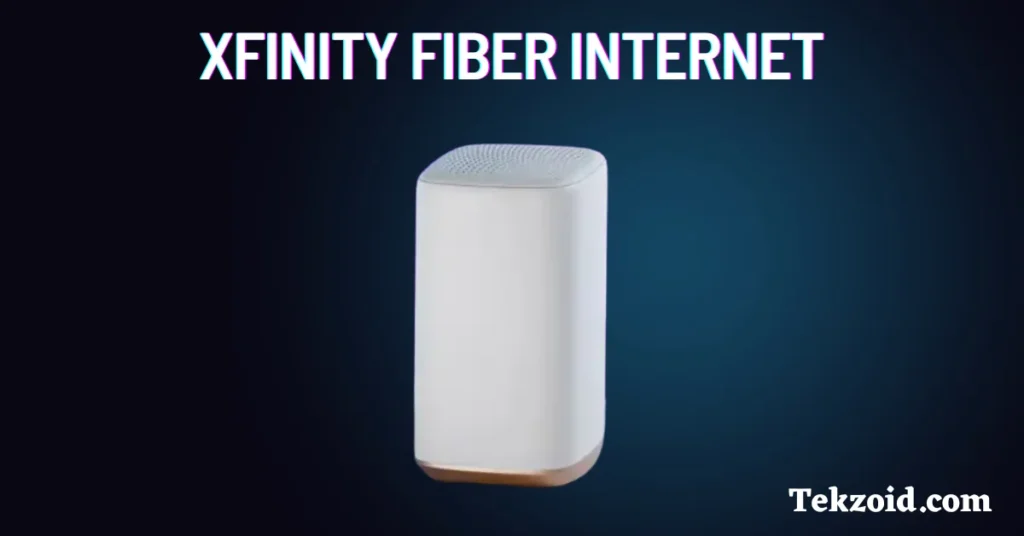
Yes, Xfinity uses fiber throughout its network, but that doesn’t necessarily mean you get fiber-to-the-home (FTTH) service.
Xfinity describes its network as being powered by fiber and connected to homes using coaxial cable.
With this type of setup, fiber carries data through much of the network, while coaxial cable handles the final connection to your home in areas where Xfinity uses a hybrid fiber-coaxial network.
This is different from a provider that runs fiber directly from its network into your home.
So when you see Xfinity advertise fiber-powered internet, don’t automatically assume you’re getting a dedicated fiber connection all the way to your house.
The exact technology available can depend on your location.
Xfinity Internet Plans and Pricing
Xfinity currently advertises three main internet plans in the lineup covered here:
| Plan | Monthly Price |
|---|---|
| 300 Mbps | $40/month |
| 500 Mbps | $45/month |
| 1 Gig | $50/month |
These advertised prices are for eligible new Xfinity Internet customers, and restrictions apply.
The current plans include:
- WiFi equipment
- Unlimited data
- No annual contract
- 5-Year Price Guarantee
However, the final price and availability can depend on your address and eligibility.
Xfinity’s promotional pricing can also change, so it’s worth checking the current offer before signing up.
What Comes With Xfinity Internet?
Xfinity says its current internet plans include WiFi equipment and unlimited data.
That means you don’t have to purchase a separate router just to get started with the service.
Xfinity also advertises 99% WiFi reliability and describes its 1 Gig plan as its most reliable, fiber-powered WiFi option.
Keep in mind that WiFi performance inside your home can still depend on factors such as your router or gateway, home layout, walls, interference, connected devices, and where you place your equipment.
Xfinity 300 Mbps Plan
The 300 Mbps plan costs $40 per month under the advertised pricing in this lineup.
This plan can be suitable for basic everyday internet use.
You can use it for:
- Web browsing
- Social media
- HD streaming
- Video calls
- Online shopping
- Connecting multiple everyday devices
For a smaller household with normal internet usage, 300 Mbps can provide plenty of bandwidth.
You don’t necessarily need a gigabit plan just because it’s available.
Xfinity 500 Mbps Plan
The 500 Mbps plan costs $45 per month in the current advertised lineup.
The additional speed can be useful for households with more people and devices using the connection at the same time.
It may be worth considering if you regularly:
- Stream on multiple devices
- Download large files
- Play online games
- Use several connected devices
- Work from home while other people are online
The price difference between the 300 Mbps and 500 Mbps plans is relatively small in this advertised lineup, but your actual pricing may vary depending on eligibility and promotions.
Xfinity 1 Gig Plan
The top option in this lineup is the 1 Gig plan at $50 per month.
Xfinity describes this as its most reliable, fiber-powered WiFi option.
A gigabit plan can make sense for a busy household with many connected devices and heavy internet usage.
For example, you may have multiple people streaming, gaming, working remotely, downloading large files, and using smart home devices at the same time.
However, most households don’t necessarily need 1 Gig of internet speed.
If your usage is relatively light, a 300 Mbps or 500 Mbps plan may be enough.
Does Xfinity Fiber Mean Fiber Goes Into Your Home?
Not necessarily.
This is one of the most important details to understand when comparing Xfinity with fiber internet providers.
Xfinity can use fiber throughout its network while using coaxial cable for the final connection to your home.
A true fiber-to-the-home service generally runs fiber directly to the customer’s property or home.
So if you’re specifically looking for a fiber connection all the way to your home, check the technology available at your exact address rather than relying only on the term “fiber-powered.”
Things to Know Before Signing Up
There are several things you should check before ordering Xfinity Internet.
Availability Depends on Your Location
Xfinity isn’t available everywhere, and the plans offered can vary by location.
Enter your address to see which service and pricing are available at your home.
Promotional Pricing Has Requirements
The advertised prices are for eligible new customers and may have restrictions.
Make sure you check the offer details before signing up.
AutoPay and Paperless Billing
The advertised pricing requires AutoPay with a stored bank account and paperless billing.
If you don’t meet those requirements, your monthly price may be different.
Taxes and Fees
Taxes and fees may be charged separately from the advertised monthly price.
Check the final checkout price before completing your order.
Prices Can Change
Xfinity’s offers and promotional pricing can change.
The 5-Year Price Guarantee is part of the current advertised offer, but you should still review the terms and conditions that apply to your specific order.
Which Xfinity Internet Plan Should You Choose?
The right plan depends on how many people use your connection and what you do online.
Choose 300 Mbps if:
- You have a smaller household
- You mainly browse and stream
- You make regular video calls
- You don’t have heavy simultaneous usage
Choose 500 Mbps if:
- Multiple people use the internet
- You have several connected devices
- You stream frequently
- You download larger files
Choose 1 Gig if:
- You have a busy household
- Many devices are connected at once
- You regularly perform heavy downloads
- Several people stream, work, or game simultaneously
The fastest plan isn’t automatically the right plan. Look at your actual usage before paying for additional speed.
Watch Our Youtube Video:
FAQs
Is Xfinity Internet actually fiber?
Xfinity uses fiber throughout its network, but its connection to your home may use coaxial cable. Therefore, Xfinity’s fiber-powered service isn’t necessarily the same as fiber-to-the-home service.
Does Xfinity include WiFi equipment?
Yes. The current plans discussed here include WiFi equipment.
Does Xfinity Internet have unlimited data?
Yes. The plans covered in this guide include unlimited data.
Is Xfinity 1 Gig worth it?
It depends on your household. A 1 Gig plan can be useful for heavy internet usage and many simultaneous devices, but a 300 Mbps or 500 Mbps plan may be sufficient for lighter households.
Summary
Xfinity’s internet service is fiber-powered, but that doesn’t necessarily mean fiber runs directly into your home.
The current advertised lineup includes 300 Mbps for $40, 500 Mbps for $45, and 1 Gig for $50 per month for eligible new customers, with WiFi equipment, unlimited data, no annual contract, and a 5-Year Price Guarantee under the advertised offer.
Before choosing a plan, check availability at your address, review the AutoPay and paperless billing requirements, and look at the final price after any applicable taxes and fees.
Most importantly, don’t choose a plan based only on the word “fiber.” Check what type of connection Xfinity actually provides at your address.
