AT&T hotspot gives you portable WiFi using mobile data. It works well for travel and backup internet, but comes with strict data limits.
I wrote this after getting repeated questions on my videos about hotspot options for remote work and travel. I went through the official details from AT&T and compared them with actual usage feedback.
If you’re trying to stay connected outside your home or need a backup internet option, this will help you decide.
Who this is for
This is for you if:
- You travel often
- You work remotely
- You need a backup internet
- You don’t have reliable broadband
If you need full-time home internet for heavy use, this is not enough.
Table of Contents
What is an AT&T hotspot?
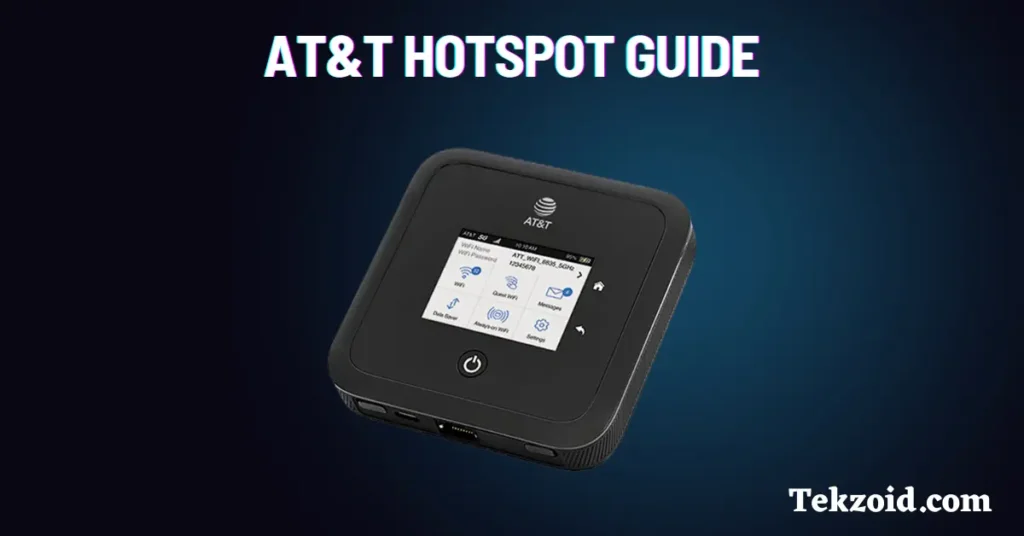
An AT&T hotspot lets you convert mobile data into WiFi for your devices.
You can connect:
- Laptops
- Tablets
- Smart TVs
- Multiple phones
It works using AT&T’s 4G LTE and 5G network.
You have two ways to use it:
- Your phone’s hotspot
- A dedicated hotspot device
Hotspot device options
Smartphone hotspot
- Built into most AT&T plans
- Easy to use anywhere
- Good for short-term use
Limitations:
- Drains battery fast
- Limited data
- Slower speeds compared to dedicated devices
Dedicated hotspot device
- Better signal and range
- Connects more devices
- More stable performance
Best for:
- Remote work
- Streaming
- Families or teams
These devices come in both 4G and 5G versions.
AT&T hotspot plans
There are two main types of plans.
Phone plan hotspot data
- Starter plan: around 5GB hotspot
- Extra plan: around 30GB
- Premium plan: around 60GB
After the limit, speeds drop significantly.
Prepaid hotspot-only plans
- 15GB for $35 per month
- 20GB for $240 per year
- 50GB for $55 per month
- 100GB for $90 per month
Best use cases:
- 15GB: light browsing and backup
- 50GB: remote work and daily tasks
- 100GB: heavier usage and streaming
All plans support 5G if you have the right device and coverage.
There are no contracts, but every plan has a data cap.
Coverage and performance
AT&T offers:
- Strong 4G LTE coverage across the US
- Growing 5G coverage in cities
- Decent rural reach compared to many carriers
But real performance depends on:
- Your exact location
- Network congestion
- Signal strength indoors
From what I’ve seen, speeds are reliable in cities and suburbs. Rural areas vary a lot.
Pros and cons
Pros:
- Wide coverage
- Works almost anywhere
- Flexible prepaid plans
- Easy to set up
Cons:
- Data limits on all plans
- Speeds drop after cap
- Dedicated devices cost extra
Real use case of AT&T Hotspot Device
If your usage looks like this:
- Work while traveling
- Backup internet during outages
- Browsing and video calls
It works well.
If your usage looks like this:
- Daily 4K streaming
- Gaming
- Large uploads
You’ll hit limits quickly.
My take after researching
AT&T hotspot is about flexibility, not unlimited usage.
It works best when:
- You need internet on the go
- You want a backup connection
- Your usage is controlled
It doesn’t replace home broadband. Data caps make that clear.
Most people underestimate how fast hotspot data gets used. That’s where frustration starts.
Video:
Should you choose it?
Choose AT&T hotspot if:
- You travel or move frequently
- You need a backup internet connection
- You use moderate data
Skip it if:
- You need unlimited high-speed data
- You stream heavily every day
- You already have fiber or cable
FAQs
Can an AT&T hotspot replace home internet?
No, data limits make it unsuitable for full-time heavy usage.
Is a dedicated hotspot device better than a phone hotspot?
Yes, it provides better speed, range, and supports more devices.
Does AT&T hotspot support 5G?
Yes, but only with compatible devices and in covered areas.
